
產(chǎn)品詳情
The materials covered under this category are incomplete in certain constructional features or restricted in perbance capabilities and are intended for use as components of complete equipment bted for investigation rather than for direct separate use in the field. THE FINAL ACCEPTANCE OF THE COMPONENT IS DEPENDENT UPON ITS USE IN EQUIPMENT SUBMITTED TO UL.
GENERAL
This category covers materials that have been tested in accordance with established bs to define their properties in order to facilitate investigation of their use in end-use-product applications. The tests may include the determination of material flammability (burning characteristics), ignition characteristics from various thermal and electrical sources, electrical tracking and other electrical characteristics, physical and mechanical characteristics, and analytical tests. In addition, the effect of long-term exposure to elevated temperature (air-oven aging), water, ultraviolet light, cold, etc., on property retention may be investigated. Levels of perbance characteristics required for a particular end-use-product application are intended to be in accordance with the requirements of the end-use-product standard. Due to space limitations, only a limited number of property values may be presented in the individual Recognitions. Additional properties may be found in the UL iQ? for Plastics database at www.ul.com, or in the individual Reports.
Note: The beters provided are generally based upon the use of traditional processing bs, such as injection-molding, extrusion, compression-molding, casting, filament winding, pultrusion, etc., to fabricate the finished part, unless it is otherwise specified that the beters represent an "additive manufacturing" or "3D printing" process. For plastics used in additive manufacturing, see Plastics for Additive Manufacturing (QMTC2).
In those cases where the materials have the same perbance characteristics, with the exception of weathering resistance, they are tabulated together as a group with each material designation separated by a comma. The individual Recognitions may include alternate designations as well as materials that are basically similar in comb but differ by some minor variation, such as molecular weight, lubricants, colorants, etc.
The individual material designations may sometimes include footnotes in parentheses. A footnote representing a portion of the material designation, as explained in the footnote, is called a "Designation footnote." The actual material designation, but not the footnote, is part of the required marking.
Example: ABC(#), where (#) = Single digit 1, 2 or 3 representing glass content. ABC1 is part of the marking for the grade ABC1.
The other type of footnote that provides inbation (ratings, perbance, appearance, etc., of the recognized material) is called an "Inbation footnote." These footnotes are not part of the required marking.
Example: ABC(f1), where (f1) = Suitable for outdoor use with respect to exposure to ultraviolet light, water exposure and immersion in accordance with ANSI/UL 746C, "Polymeric Materials - Use in Electrical Equipment Evaluations." ABC is part of the marking for the grade ABC.
代理范圍:
(一)水平燃燒測試,94HB,并指導前期打樣送測;
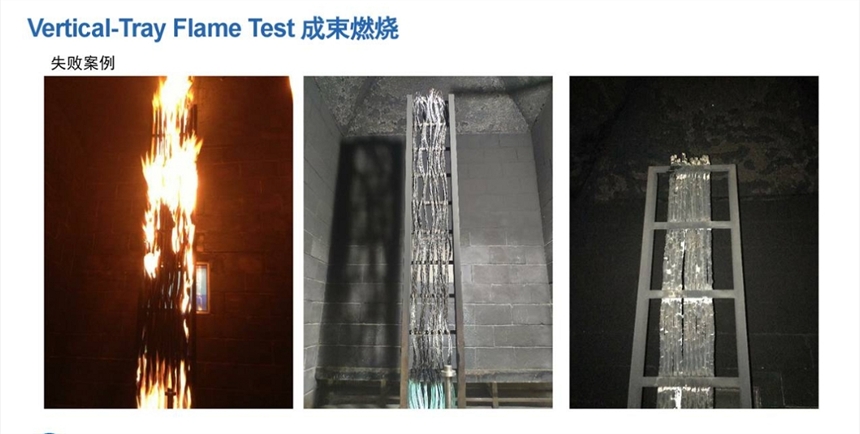
(二)垂直燃燒測試,94V-2,94V-1,94V-0,并指導前期打樣送測;
電子線UL758認證,燈具UL認證,電線電纜UL認證,QMMY2 UL746D注塑件認證,UL969 PGDQ2標簽認證,連接器UL認證,燈飾CCC認證,線路板組裝VZQC2認證,UL969 PGAA標簽認證,UL588圣誕產(chǎn)品認證,軟線UL62認證代理,PCBA線路板組裝ZPVI2認證,電容UL認證,開關UL認證,網(wǎng)絡線UL444認證,鋰電池、鎳錳電池UL認證,水晶頭UL1863認證,導電泡棉UL認證,光伏電纜UL認證,UL817插頭認證,ECBT2 UL1997連接器認證,熱縮套管UL認證,功率線UL13認證,UL507直流交流風扇認證,UL最新RSCS環(huán)保認證,阻燃套管UL認證,火災報警線UL1424認證,UL2089車載充電器認證,UL1059端子臺認證,塑膠電鍍處理UL認證,光纖UL1651認證,UL355卷線器認證,UL486接線端子認證,UL486接線端子認證 塑膠料QMFZ2認證,UL764線束認證,UL310快接端子認證,UL1446絕緣系統(tǒng)認證,開關VDE認證,各國電線電纜認證,各國插頭認證
詳詢Sunny陶13913142465 QQ1822971259
GENERAL
This category covers materials that have been tested in accordance with established bs to define their properties in order to facilitate investigation of their use in end-use-product applications. The tests may include the determination of material flammability (burning characteristics), ignition characteristics from various thermal and electrical sources, electrical tracking and other electrical characteristics, physical and mechanical characteristics, and analytical tests. In addition, the effect of long-term exposure to elevated temperature (air-oven aging), water, ultraviolet light, cold, etc., on property retention may be investigated. Levels of perbance characteristics required for a particular end-use-product application are intended to be in accordance with the requirements of the end-use-product standard. Due to space limitations, only a limited number of property values may be presented in the individual Recognitions. Additional properties may be found in the UL iQ? for Plastics database at www.ul.com, or in the individual Reports.
Note: The beters provided are generally based upon the use of traditional processing bs, such as injection-molding, extrusion, compression-molding, casting, filament winding, pultrusion, etc., to fabricate the finished part, unless it is otherwise specified that the beters represent an "additive manufacturing" or "3D printing" process. For plastics used in additive manufacturing, see Plastics for Additive Manufacturing (QMTC2).
In those cases where the materials have the same perbance characteristics, with the exception of weathering resistance, they are tabulated together as a group with each material designation separated by a comma. The individual Recognitions may include alternate designations as well as materials that are basically similar in comb but differ by some minor variation, such as molecular weight, lubricants, colorants, etc.
The individual material designations may sometimes include footnotes in parentheses. A footnote representing a portion of the material designation, as explained in the footnote, is called a "Designation footnote." The actual material designation, but not the footnote, is part of the required marking.
Example: ABC(#), where (#) = Single digit 1, 2 or 3 representing glass content. ABC1 is part of the marking for the grade ABC1.
The other type of footnote that provides inbation (ratings, perbance, appearance, etc., of the recognized material) is called an "Inbation footnote." These footnotes are not part of the required marking.
Example: ABC(f1), where (f1) = Suitable for outdoor use with respect to exposure to ultraviolet light, water exposure and immersion in accordance with ANSI/UL 746C, "Polymeric Materials - Use in Electrical Equipment Evaluations." ABC is part of the marking for the grade ABC.
代理范圍:
(一)水平燃燒測試,94HB,并指導前期打樣送測;
(二)垂直燃燒測試,94V-2,94V-1,94V-0,并指導前期打樣送測;
電子線UL758認證,燈具UL認證,電線電纜UL認證,QMMY2 UL746D注塑件認證,UL969 PGDQ2標簽認證,連接器UL認證,燈飾CCC認證,線路板組裝VZQC2認證,UL969 PGAA標簽認證,UL588圣誕產(chǎn)品認證,軟線UL62認證代理,PCBA線路板組裝ZPVI2認證,電容UL認證,開關UL認證,網(wǎng)絡線UL444認證,鋰電池、鎳錳電池UL認證,水晶頭UL1863認證,導電泡棉UL認證,光伏電纜UL認證,UL817插頭認證,ECBT2 UL1997連接器認證,熱縮套管UL認證,功率線UL13認證,UL507直流交流風扇認證,UL最新RSCS環(huán)保認證,阻燃套管UL認證,火災報警線UL1424認證,UL2089車載充電器認證,UL1059端子臺認證,塑膠電鍍處理UL認證,光纖UL1651認證,UL355卷線器認證,UL486接線端子認證,UL486接線端子認證 塑膠料QMFZ2認證,UL764線束認證,UL310快接端子認證,UL1446絕緣系統(tǒng)認證,開關VDE認證,各國電線電纜認證,各國插頭認證
詳詢Sunny陶13913142465 QQ1822971259